When we think about the spine, we often focus on the larger structures like the vertebrae or intervertebral discs. However, one of the most important components of spinal health lies in much smaller structures known as facet joints.
Despite their size, these joints play a critical role in how your spine moves, stabilises, and supports your body every day.
What Are Facet Joints?
The posterior column, or posterior chain of the spine, is made up of small facet joints. These joints are paired, meaning each vertebra connects to the one above and below it through two joints on each side — one on the left and one on the right.
Facet joints are synovial joints, similar to those found in the knee or other larger joints in the body. This means:
- The ends of the bones are covered in cartilage for smooth movement
- Each joint is enclosed in a capsule
- Synovial fluid is present within the joint
This structure allows for controlled, smooth, and supported movement throughout the spine.
Why Synovial Fluid Matters
Synovial fluid plays a vital role in joint health. It serves two key functions:
- Nourishment: It provides essential nutrients to the cartilage
- Circulation: It supports the movement and health of the joint
The important thing to understand is that movement stimulates the production and circulation of this fluid. The more we move, the better the joint is nourished.
On the other hand, when we remain still for long periods, less synovial fluid is produced. This can lead to stiffness, reduced joint health, and discomfort over time.
How Facet Joints Support Movement
Facet joints are not just there to allow movement — they also guide and control it.
Different parts of the spine rely on these joints in different ways:
- Neck (Cervical Spine): Allows for rotation and side bending
- Mid-back (Thoracic Spine): Provides stability with limited movement
- Lower back (Lumbar Spine): Supports forward and backward bending while limiting rotation
Their role is to enable safe movement while preventing excessive or harmful motion, ultimately providing stability and protecting the spine.
Load Sharing and Spinal Balance
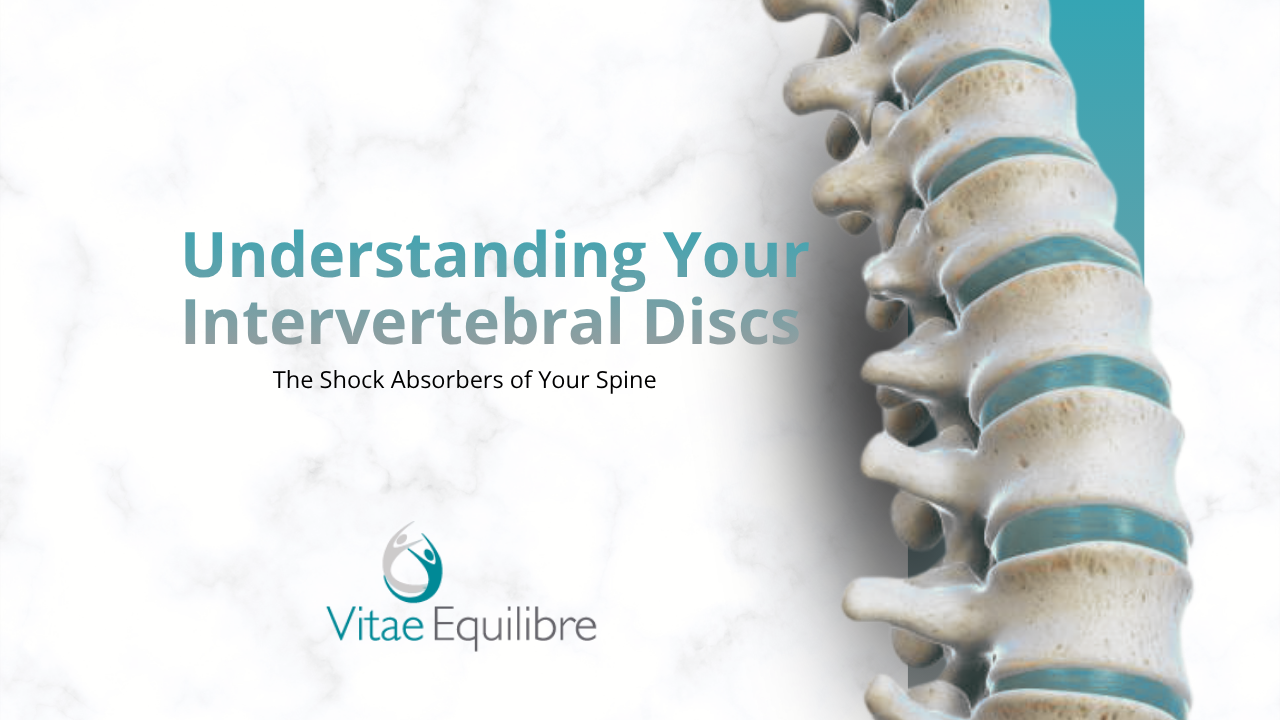
Facet joints also work closely with the intervertebral discs. Together, they share the load placed on the spine.
However, when one structure is compromised, the other is forced to take on more stress.
For example:
- Degeneration of the intervertebral disc
- Prolonged sitting
- Injury
All of these can increase the load on the facet joints, accelerating wear and tear and potentially leading to conditions like osteoarthritis.
Common Causes of Facet Joint Problems
Facet joint issues are often linked to what is commonly referred to as mechanical back pain.
Some of the main contributing factors include:
- Prolonged sitting, especially in a forward-bent position
- Sustained poor posture (such as slouching while working or watching TV)
- Being overweight, which increases load on the joints
- Repeated backward bending
- Trauma or injury
- Repeated forced manipulation of the spine
Interestingly, prolonged forward sitting is often more harmful than heavy lifting, as it places continuous stress on the joints over time.
Symptoms of Facet Joint Degeneration
As facet joints begin to degenerate, they can lead to:
- Pain and stiffness
- Reduced mobility
- Difficulty moving comfortably
This can create a cycle where pain discourages movement — but less movement further worsens the condition.
Why Movement Is the Solution
One of the most important takeaways is this:
Movement is essential for joint health.
In the past, prolonged bed rest was often recommended for back pain. Today, we know that this approach can actually make things worse by increasing stiffness and reducing circulation.
The same applies to sitting.
The spine is designed to move — and more importantly, to change position regularly.
The Key to Protecting Your Spine
To support your facet joints and overall spinal health:
- Avoid staying in one position for too long
- Change posture frequently throughout the day
- Incorporate regular movement into your routine
- Be mindful of prolonged forward sitting
- Maintain a healthy weight
By simply allowing your spine to move as it was designed to, you help improve circulation within the joints, maintain cartilage health, and reduce the risk of pain and degeneration.