Posture plays an important role in how comfortably and efficiently we move throughout the day. Whether we’re sitting at a desk, standing, walking or exercising, the way our bodies position themselves can influence our muscles, joints and spine.
But good posture doesn’t necessarily mean sitting or standing perfectly straight all day.
Modern thinking around posture suggests that our ability to move comfortably between different positions may be more important than trying to maintain one “perfect” posture for hours at a time.
What Is Posture?
Posture refers to the alignment and positioning of the body in relation to gravity during standing, sitting and movement.
Efficient posture helps minimise unnecessary stress on the muscles, ligaments and spine while allowing the body to move effectively.
There are two main types of posture:
Static Posture
Static posture describes how you hold your body when you are not moving, such as when:
- Sitting
- Standing
- Lying down
Dynamic Posture
Dynamic posture refers to how your body maintains its alignment while moving, including during:
- Walking
- Lifting
- Reaching
- Exercising
Both are important because our bodies constantly transition between static and dynamic positions throughout the day.
What Does Efficient Posture Look Like?
When looking at the body from the side, several general alignment points can help indicate efficient posture.
The ear should generally be positioned over the shoulder. When the head moves significantly forward and the ear sits in front of the shoulder, this is commonly referred to as a forward head position.
This position may place additional strain on the muscles around the neck and shoulders and can contribute to neck discomfort and headaches.
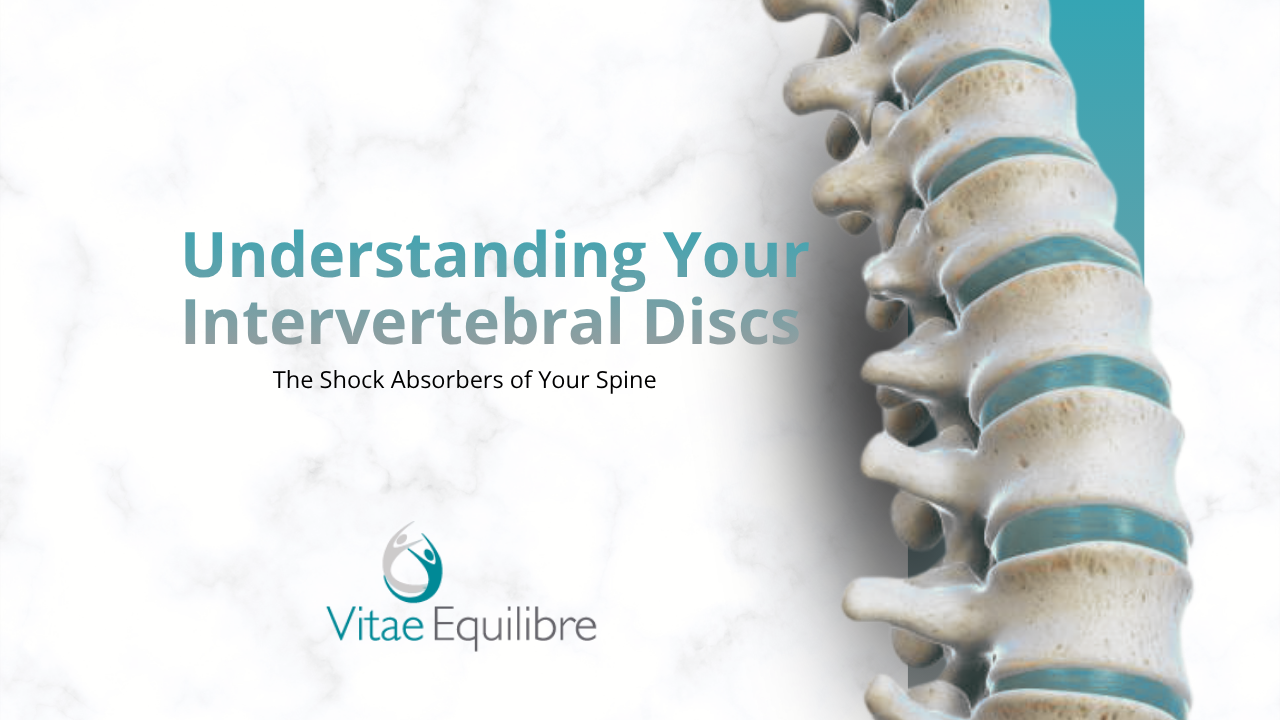
The shoulders should generally sit over the middle of the trunk, while the natural curves of the cervical, thoracic and lumbar spine should be maintained.
The hips should also be aligned over the knees and ankles, with body weight distributed evenly between both feet.
When viewed from the front, the head, shoulders and pelvis should generally appear level, the knees should point forward and weight should be distributed evenly between the feet.
Why Is Posture Important?
Efficient posture can have several benefits for the body.
It may help:
- Reduce unnecessary muscle fatigue
- Improve balance
- Support more efficient movement
- Reduce excessive loading on joints and ligaments
- Allow the diaphragm and rib cage to move more freely during breathing
- Improve comfort during prolonged sitting or standing
Posture can therefore influence much more than simply how someone looks while sitting or standing.
What Influences Our Posture?
There isn’t one single factor responsible for posture. A combination of physical, environmental and lifestyle factors can influence how we position and move our bodies.
Muscle Strength
Muscle strength plays an important role in maintaining posture.
For example, inadequate strength in the muscles of the upper back may contribute to the shoulders moving forward and the upper back becoming increasingly rounded.
Joint Mobility
Restricted movement in one area of the body can affect another.
If the hips are particularly stiff, for example, the body may compensate elsewhere, potentially affecting the lower back and overall posture.
Previous Injuries
Previous injuries may alter the way we move or position ourselves, particularly if the body has developed compensatory movement patterns.
Fatigue
Muscular endurance affects our ability to maintain comfortable positions for extended periods. As muscles become tired, posture may naturally begin to change.
Pain
Pain can cause people to change how they sit, stand or move in an attempt to protect an uncomfortable area.
Vision and Balance
Poor vision can also influence posture. Someone who struggles to see a screen clearly, for example, may repeatedly lean their head and upper body forward.
Over time, this can become a habitual position.
Stress and Emotions
Stress, emotions, habits and the tasks we perform every day can all influence how we hold our bodies.
Common Postural Patterns
Several postural patterns are frequently seen, particularly as our lifestyles become increasingly sedentary and screen-focused.
1. Forward Head Position
Forward head posture is increasingly common, particularly among people who spend significant amounts of time looking down at phones, tablets and computers.
Instead of the ear being positioned above the shoulder, the head moves forward.
Extended periods in this position can place additional demands on the muscles of the neck and upper back and may contribute to neck pain, stiffness and headaches.
2. Rounded Shoulders and Increased Thoracic Kyphosis
Rounded shoulders occur when the shoulders sit further forward than their ideal resting position.
This can occur alongside an increased thoracic kyphosis, where the upper back and chest become more rounded.
Long periods spent sitting at computers or using mobile devices may contribute to these patterns.
3. Increased Lumbar Lordosis
The lumbar spine naturally has a curve or hollow in the lower back known as lumbar lordosis.
In some people, this curve becomes more pronounced. A number of factors can contribute to increased lumbar lordosis, including body composition, muscle imbalances and movement habits.
4. Flat Back
At the opposite end of the spectrum, some people have a reduced natural curve in the lower back.
This is sometimes referred to as a flat back posture and may be associated with stiffness and lower back discomfort.
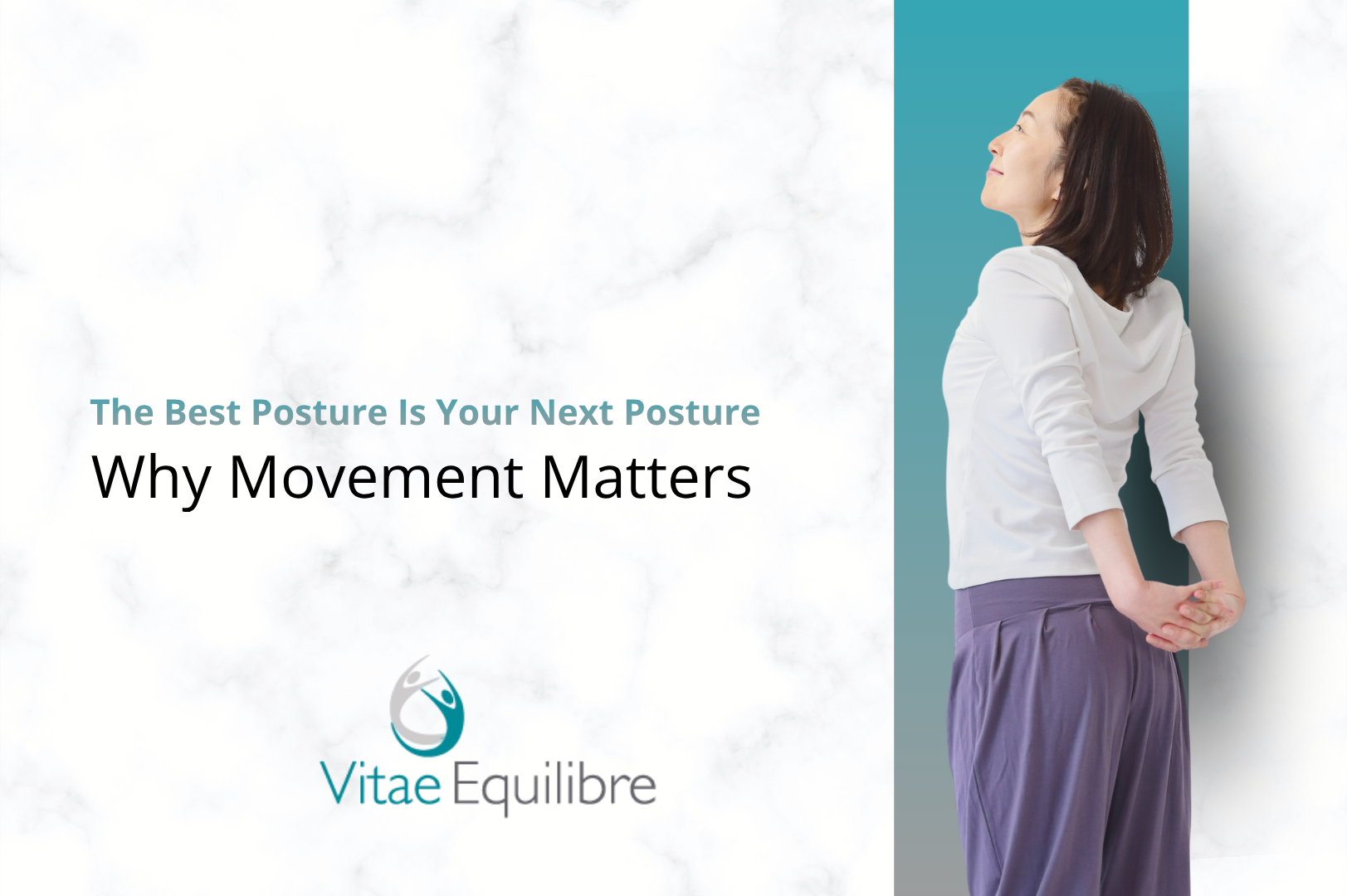
The Best Posture Is Your Next Posture
One of the most useful principles when thinking about posture is:
The best posture is your next posture.
Instead of trying to maintain one supposedly perfect position for several hours, focus on regular movement and changing positions throughout the day.
Our bodies are designed to move.
Even a technically “good” sitting posture can become uncomfortable when maintained for too long.
Consider changing position approximately every 20 to 30 minutes where practical.
Stand up, walk around, stretch or simply adjust the way you’re sitting.
Practical Ways to Improve Your Posture
Small changes to your daily routine can make a significant difference.
Stand up and move regularly. Avoid remaining in exactly the same position for prolonged periods.
Keep frequently used objects within easy reach. Constantly stretching or twisting to reach everyday items can place unnecessary strain on the body.
Adjust your workstation to your body. Ergonomics is about fitting the workstation to the individual rather than expecting every person to work comfortably with the same setup.
There is no single workstation configuration that suits everybody.
Perform regular strengthening and mobility exercises. Maintaining strength and mobility can help your body comfortably manage the demands placed on it throughout the day.
Vary your sitting position. Changing how you sit during the day can be more beneficial than trying to maintain one rigid position continuously.
Movement Matters
Posture shouldn’t be viewed simply as “good” or “bad”.
The human body is designed to adopt many different positions, and our ability to move comfortably between those positions is an important part of maintaining healthy movement.
Modern lifestyles often encourage us to remain still for long periods, whether we’re working at a computer, driving or looking at our phones.
Rather than becoming obsessed with achieving perfect posture, focus on movement, variety, strength, mobility and a workstation that suits your body.
Remember: the best posture may simply be your next posture.