Back pain is one of the most common complaints worldwide, and surprisingly, one of the biggest contributors is something we do all day without thinking: how we position our bodies.
From sitting at a desk to lifting groceries, each posture places a different amount of pressure on your spinal discs — particularly in the lower back (lumbar spine). Understanding these pressures can help you prevent pain, avoid injury, and protect your spine long-term.
What Is Intradiscal Pressure?
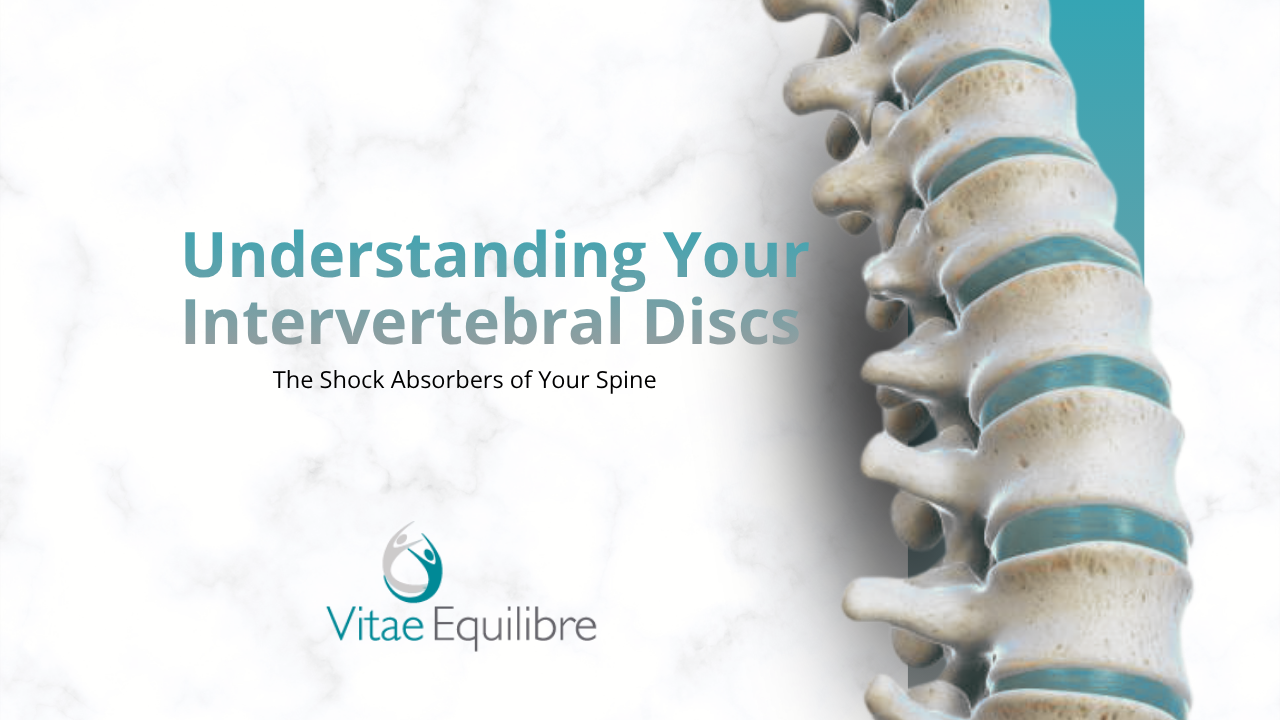
Intradiscal pressure refers to the force placed on the discs between your vertebrae. These discs act like cushions, absorbing shock and allowing movement. However, excessive or prolonged pressure can lead to:
- Disc degeneration
- Nerve compression
- Inflammation and pain
- Reduced mobility
How Different Positions Affect Disc Pressure
Your spine experiences dramatically different loads depending on posture:
Lowest Pressure Positions
- Lying on your back (supine) → Lowest pressure
- Lying on your side → ~75% pressure
These positions allow the spine to relax and recover, making them ideal for rest and healing.
Moderate Pressure Positions
- Standing upright → ~100% pressure
- Sitting upright → ~140% pressure
Even though sitting feels restful, it actually places more pressure on your discs than standing — especially over long periods.
High Pressure Positions
- Standing and leaning forward → ~150% pressure
- Sitting and leaning forward → ~185% pressure
Forward flexion significantly increases spinal load, especially if maintained for long durations.
Highest Pressure Situations
- Holding weight while leaning forward → ~220% pressure
- Sitting, leaning forward (20°) with weight in arms → Highest pressure recorded
These positions combine poor posture with load, placing extreme stress on the lumbar discs.
Why Sitting Is More Harmful Than You Think
One key takeaway:
Sitting increases disc pressure more than standing — especially when leaning forward.
This is why long hours at a desk, in a car, or on a couch can lead to chronic lower back pain.
How to Reduce Disc Pressure
Small adjustments can make a big difference:
- Keep Loads Close to Your Body
Holding objects close reduces the lever effect on your spine and minimizes compressive forces.
- Avoid Prolonged Sitting
- Take breaks every 30–60 minutes
- Stand, stretch, or walk
- Improve Your Posture
- Sit upright with support
- Avoid slouching or leaning forward
- Use Safer Movement Patterns
- Bend your knees, not your back
- Avoid twisting while lifting
- Consider Gentle Movement (e.g. Yoga)
Controlled movements and seated exercises can help reduce pressure and improve flexibility.
Other Factors That Contribute to Low Back Pain
Posture is just one piece of the puzzle. Other common contributors include:
- Lack of fitness
- Heavy or improper lifting
- Prolonged driving or vibration exposure
- Smoking (nicotine accelerates disc degeneration)
- Work dissatisfaction or stress (psychological factors)
Clinical Tests That Help Diagnose Back Pain
Healthcare professionals use specific tests to identify the source of pain:
Straight Leg Raise Test
- Lifting the leg reproduces sciatic pain
- Pain below 60° hip flexion suggests nerve involvement
Modification:
- Bending the knee reduces tension (and pain)
- Dorsiflexing the foot can reproduce symptoms again
Range of Motion Testing
- Flexion (bending forward) → pain in disc-related conditions
- Extension (leaning back) → pain in spinal stenosis or spondylolisthesis
Interesting insight:
People with spinal stenosis often feel relief when leaning forward because it reduces nerve compression.
FABER Test (Sacroiliac Joint)
Used to detect issues in the sacroiliac joint by reproducing pain.
In some cases, diagnostic injections provide more accurate confirmation than physical tests alone.
Final Thoughts
Your daily habits — how you sit, stand, and lift — have a direct impact on your spinal health. The difference between pain and comfort often comes down to simple adjustments in posture and movement.
Key takeaway:
The more you lean forward and add load, the greater the stress on your spine.
The closer the load is to your body, the safer your spine is.
By becoming more aware of your body positions, you can protect your discs, reduce pain, and improve long-term spinal health.